
In what European Commissioner Marta Kos dubbed “Mega Monday,” a key symbolic moment took place between Ukraine and Moldova as they broke a two-year deadlock by beginning their first phase of negotiations to join the EU.
Negotiations had been stalled for almost two years due to opposition from Hungary's Viktor Orbán. Following April's elections, however, the political obstacle that had blocked progress was removed, allowing talks to finally begin.
The accession process begins with the so-called "Fundamentals" cluster, which focuses on the rule of law, democratic institutions and fundamental rights. It is widely regarded as the foundation of the entire negotiation process and must be opened before progress can be made in other policy areas.
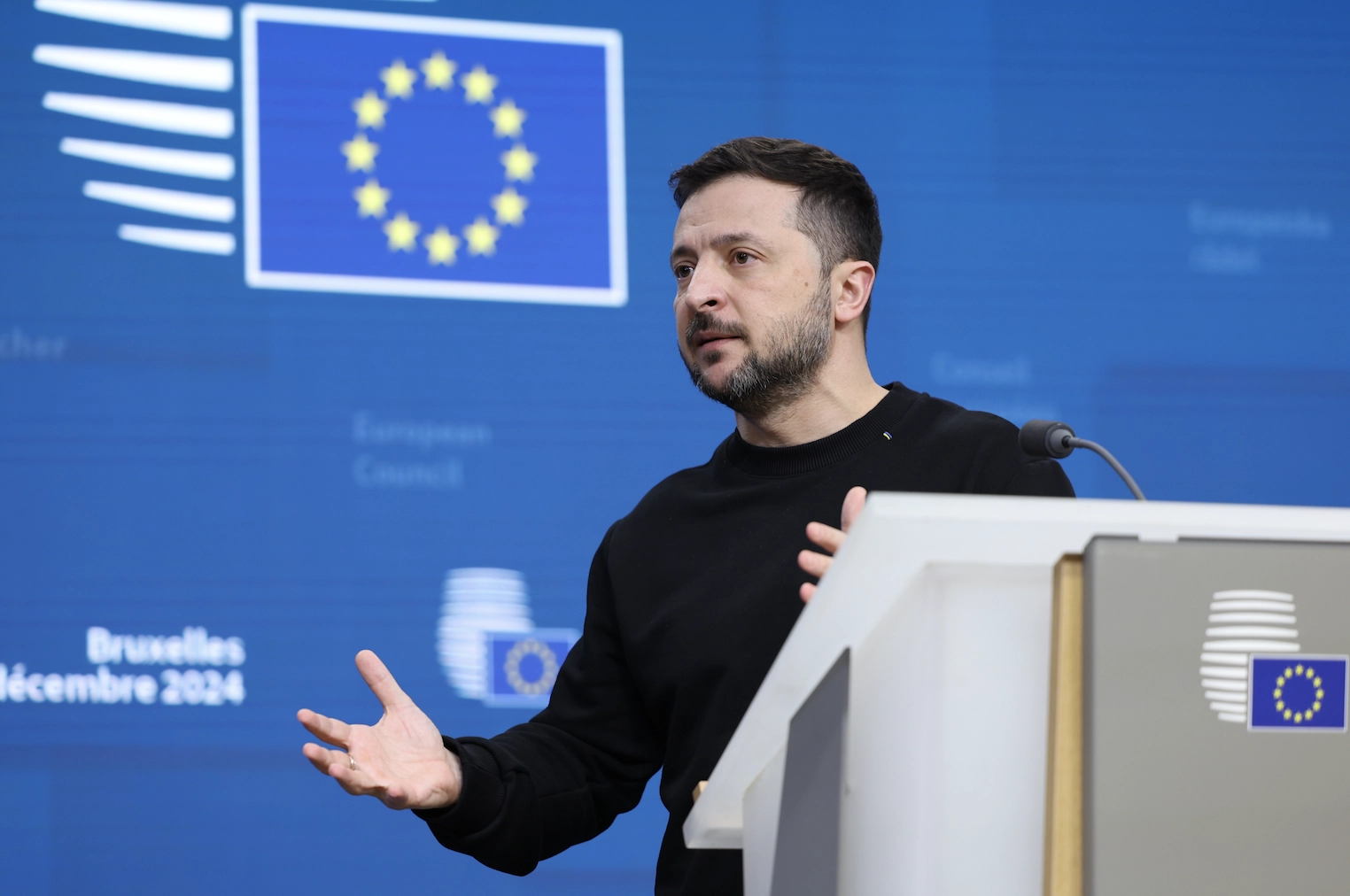
Ukraine’s President, Volodymyr Zelenskyy, said: “Ukraine is doing what is necessary, and it is important that the EU is also keeping its word. The opening of the first cluster is significant political and moral support for our state and our people.”
Enlargement is a strategic necessity for the EU. After years of stagnation and so-called "enlargement fatigue", Brussels is once again treating expansion as a strategic priority.
Kos argued that more progress has been made in the past 16 months than in the previous 15 years. She said it was the “biggest step” both countries had made since their initial bid for membership in 2022 after Russia’s invasion.
Momentum is also building elsewhere. Montenegro recently completed two additional negotiating chapters and is now approaching the halfway point in its accession process.
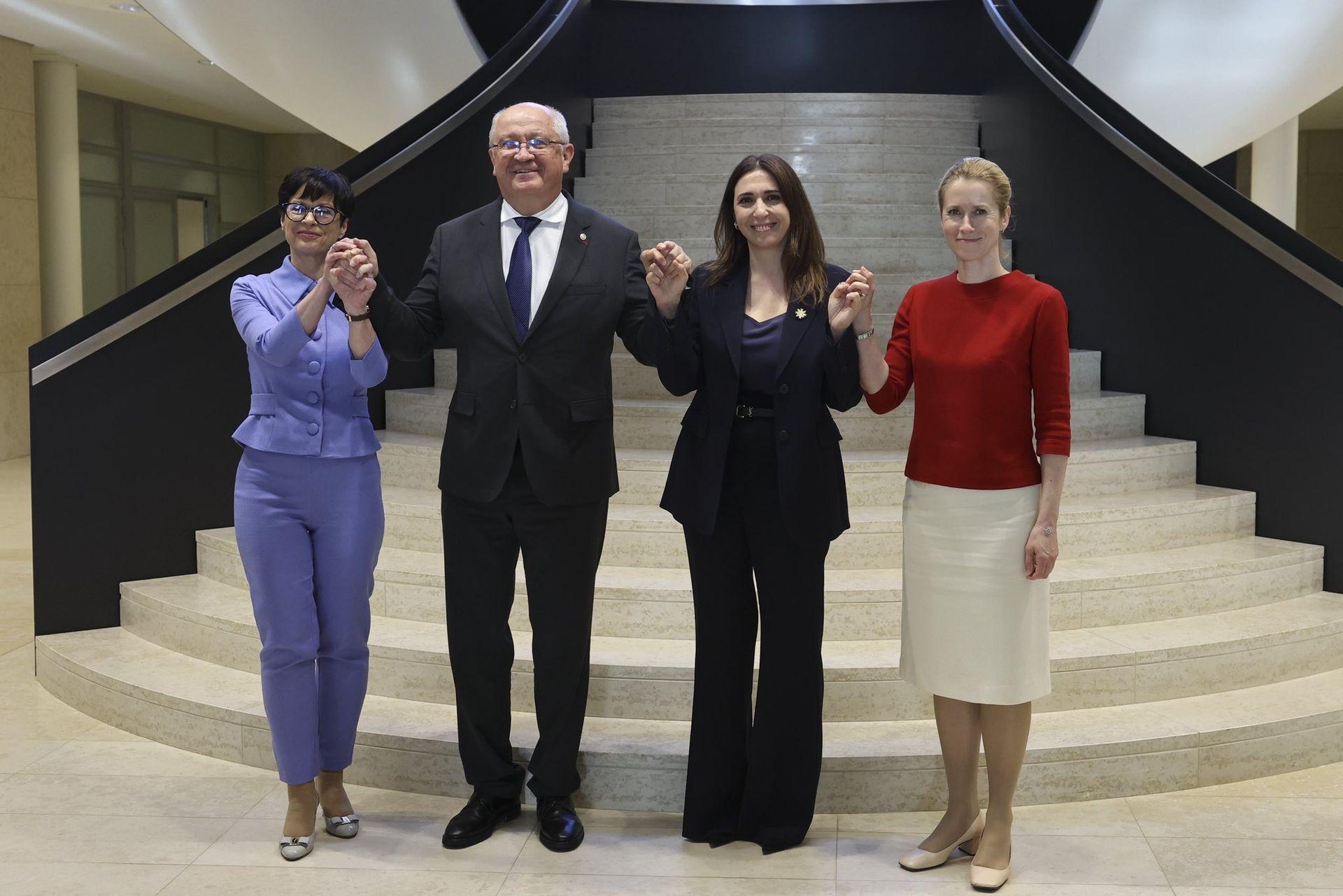
The European Commission and the Enlargement negotiation team stand ready for the long journey ahead as the next enlargement period commences.
Kos also pointed to new safeguard mechanisms being developed for future enlargements. These could allow the EU to continue monitoring whether new members uphold European standards long after accession, helping prevent another Hungary-style rule-of-law dispute.
She said: “it makes sure that once we get new members on board, they will follow the European rules being a member for five, ten, or 15 years after”.
Liberals are keen to enlarge the Union as a strategic move to promote geopolitical security and economic resilience amid a changing global order. Enlargement strengthens the EU, broadens the single market and promotes democratic values across Europe's neighbourhood.
Ukraine and Moldova may still face years of negotiations ahead. But after two years of deadlock, the journey towards EU membership has finally begun.