
ALDE Party member Free Democratic Party (FDP) gathered in Berlin last weekend for an extraordinary party congress under the motto "Wo Freiheit ist, ist alles möglich" - "Where there is freedom, everything is possible".
The congress came after a turbulent year for the German liberals. Following defeats in state elections in Baden-Württemberg and Rhineland-Palatinate, where the FDP failed to return to parliament and party leadership stepped down, triggering an extraordinary leadership election with a mandate lasting until the next regular congress in 2027.
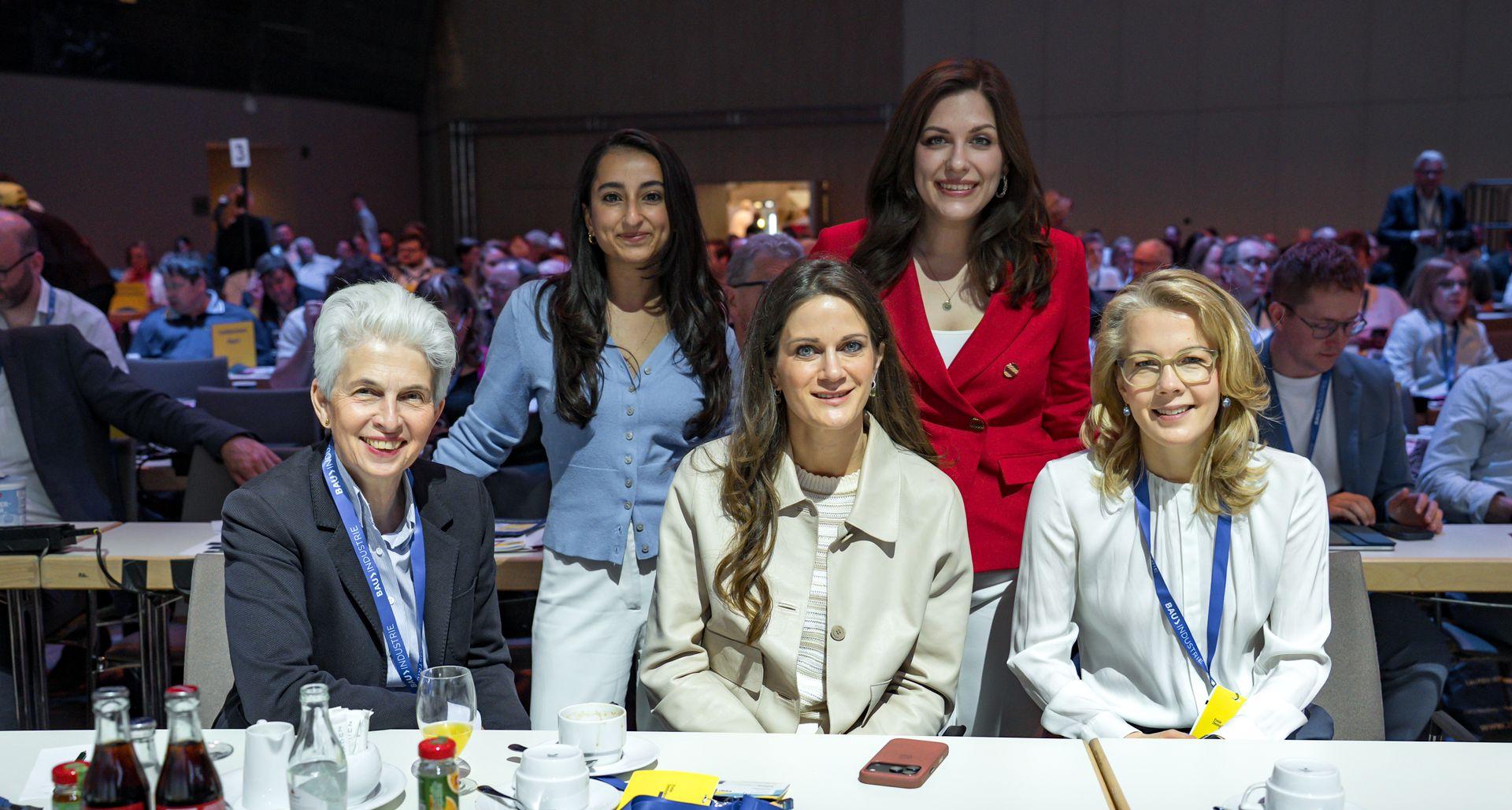
Delegates voted to elect new leadership figures within the party:
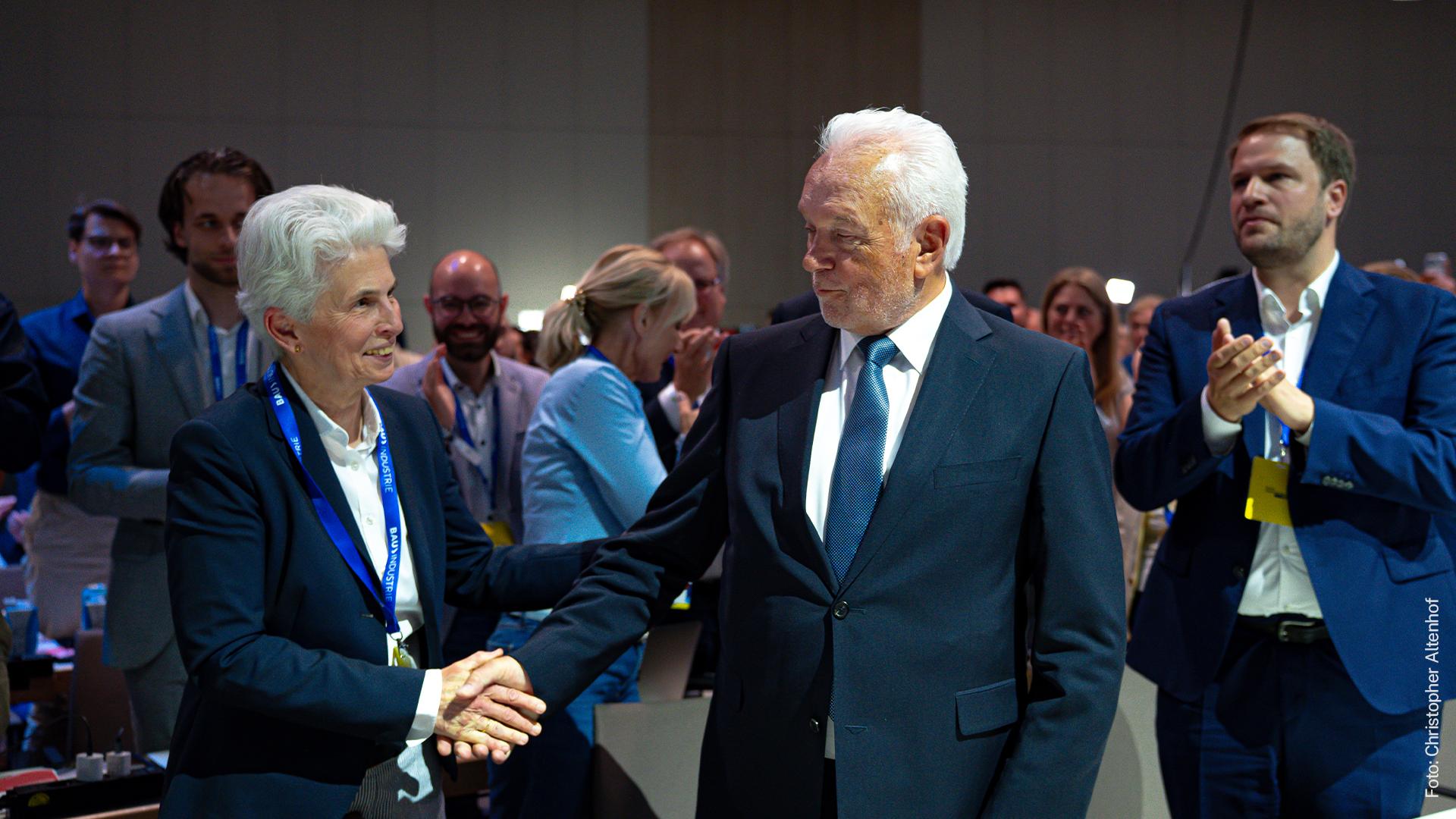
- Long-time FDP figure and former Vice President of the Bundestag, Wolfgang Kubicki, as the party's new leader. He succeeds Christian Dürr, who resigned following the party's recent electoral setbacks
- Martin Hagen was elected as the new Secretary General, replacing Nicole Büttner
- ALDE Party President Svenja Hahn was re-elected as FDP’s second vice-president
Marie-Agnes Strack-Zimmermann, leader of the FDP delegation in the European Parliament and Chair of the European Parliament's Security and Defence Committee, was also up for nomination. But after delegates debated and reflected, Strack-Zimmermann was defeated having secured roughly 40 percent of the vote.
New leader Kubicki set out a vision of liberal politics centred on individual freedom, arguing that the FDP “expects freedom from people” and should trust citizens to shape their own lives rather than be guided by the state. He stressed the rule of law and free expression as essential safeguards of liberty.
Watch the new FDP leader's opening speech here.
Alongside the leadership decisions, delegates also debated the party’s policy direction through its lead proposal “A New Start for Germany”. The programme sets out a broad reform agenda focused on competitiveness, growth and a more efficient state.
Matthias Strolz, founder of Austrian ALDE Party member NEOS, describes politics as "the place where we negotiate how we want to live together." In Berlin, FDP delegates were not only electing a new leadership team. They were engaging in a broader conversation about the party's future direction and identity at a challenging moment in its history.
The discussion is unlikely to end with this Congress. With several state elections in eastern Germany this autumn and the crucial North Rhine-Westphalia election in spring 2027 on the horizon, the FDP's process of renewal is only just beginning.
Hear from our experts:
Fanni's take:
“Competition is one of liberalism's core principles. We usually associate it with markets, but it is just as valuable in democracy. What made Berlin interesting was not simply the outcome of the election, but that the moment the contest became open, the entire Congress came alive."
Fanni Gaismayer, Head of Political Unit 
*Fanni Gaismayer contributed reporting for this piece