Europe’s democratic freedoms depend on a Europe that can protect itself and withstand the pressure of those seeking to weaken it.
From Russia’s war against Ukraine to competition in the Arctic and the strategic importance of the Black Sea, Europe’s security landscape is shifting beneath its feet.
These challenges were at the heart of the London Security Conference, held by Liberal International at the National Liberal Club on 7 September. European policymakers and security experts gathered to look beyond the next crisis and consider Europe’s security strategy.
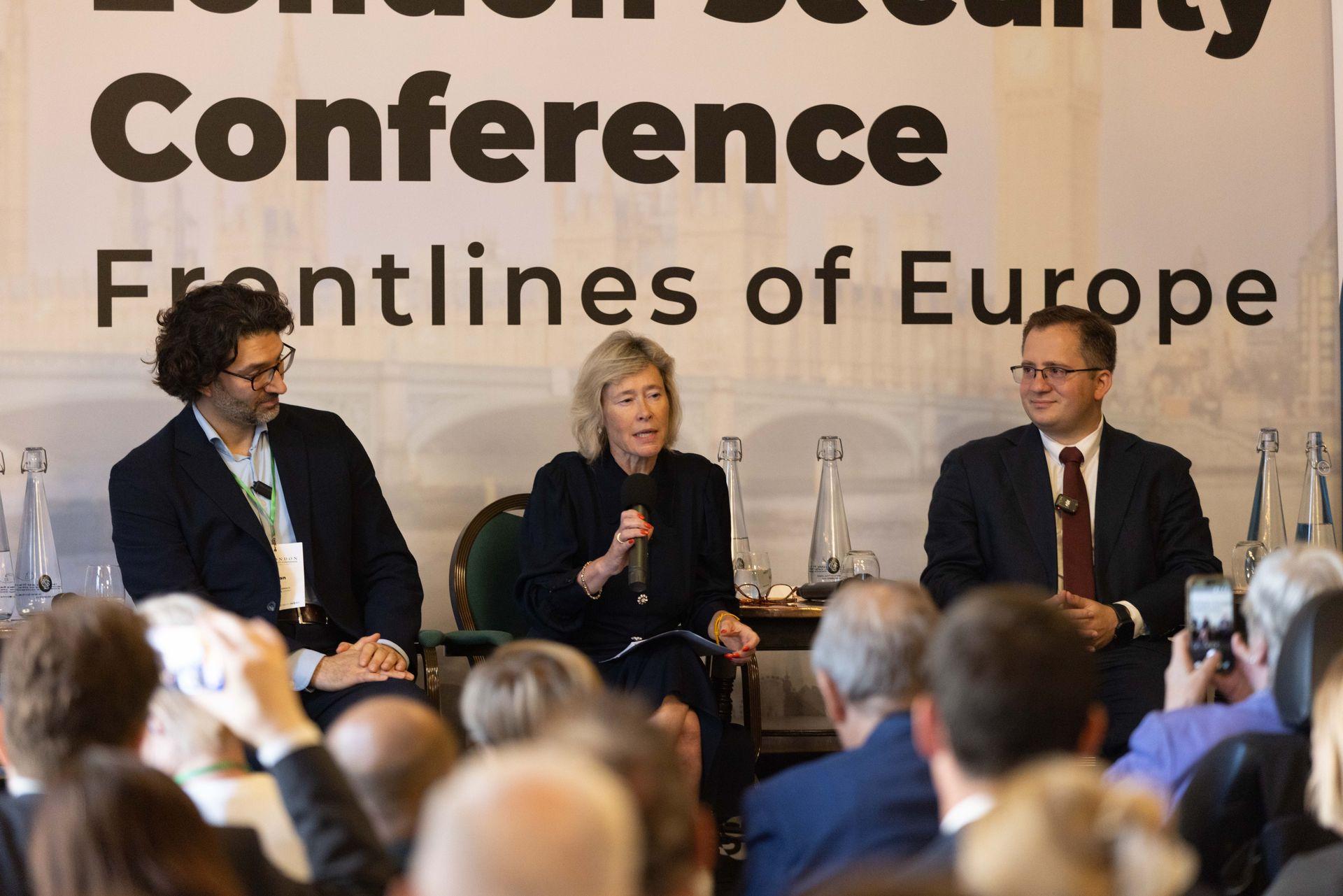
The discussion ranged from how new technologies are changing warfare to closing strategic blind spots in the Black Sea, protecting democratic institutions from interference and rethinking security in an increasingly contested Arctic.
Beneath these different challenges was a broader question: what exactly is Europe seeking to protect?
For Ed Davey, President of ALDE Party member Liberal Democrats, the answer is inseparable from the political struggle between open societies and authoritarianism. Describing this as “the defining fight of our political generation”, he argued that Europe must choose cooperation over retreat:
“One path is to shrink and close ourselves off. To hand over our economies, security and democratic institutions to men who tell us that strength means cruelty, and safety means walls. The other path is the one liberals have always believed in: that we are stronger together than alone. That open societies will always beat closed ones.”
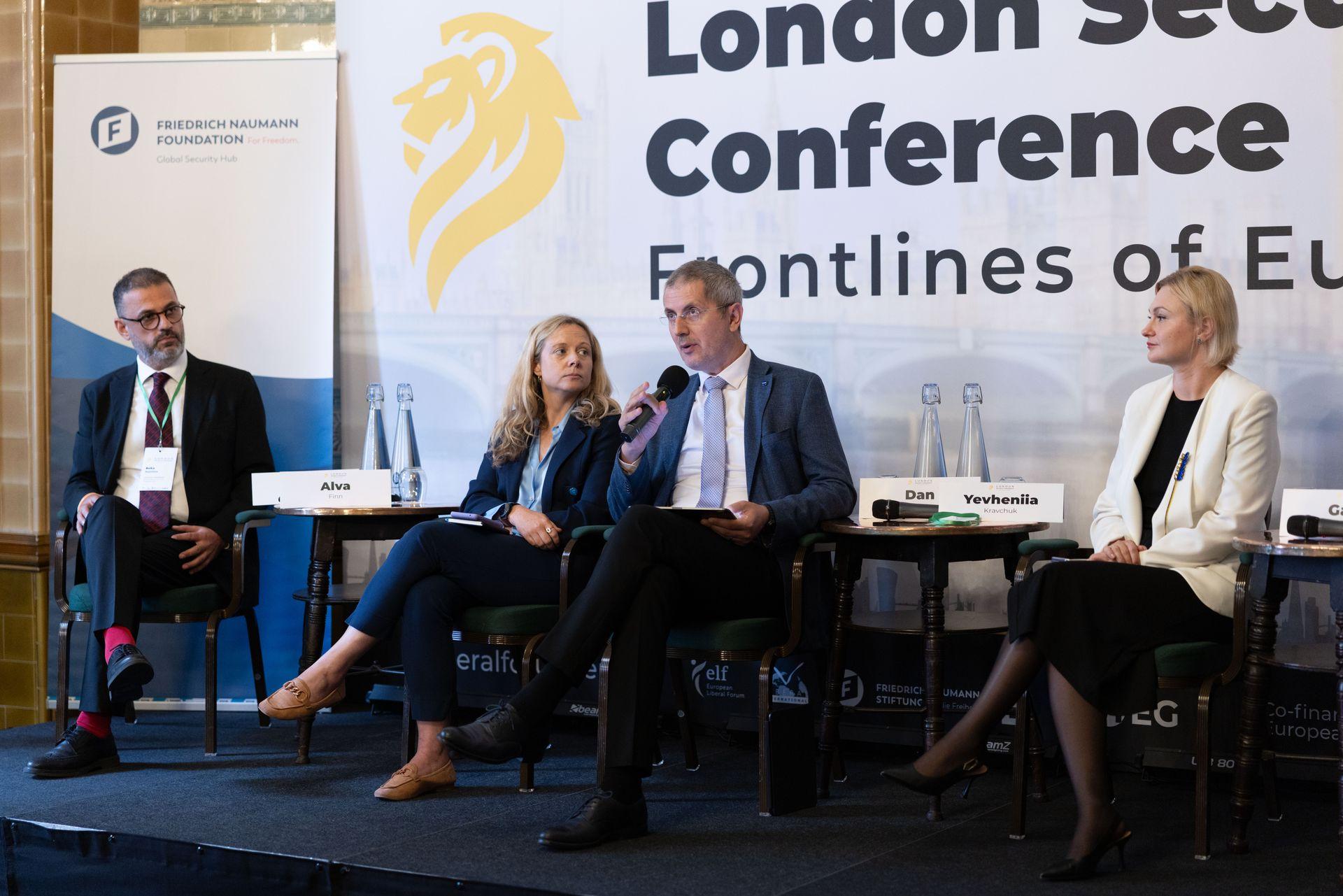
That call for European unity also means listening to those who know the threats first-hand. ALDE Party Vice-Presidents Dan Barna MEP, Yevheniia Kravchuk MP and Baroness Julie Smith joined the discussions in London, with Kravchuk stressing that those on Europe’s front lines must have a say in shaping its security:
“Europe’s response must be strategic: a stronger and sustained security presence in the region, investment in maritime and air defence capabilities, protection of critical infrastructure and freedom of navigation and deeper cooperation with regional partners.”
Barna spoke on the significance of cooperation at this week's conference:
"In this new global context, where major powers are dramatically challenging the foreign policy consensus of recent decades, collaboration among the 'middle powers' discussed by Canadian Prime Minister Mark Carney can no longer be purely economic. An integrated defense strategy stretching from the Black Sea to the Arctic and the Atlantic is absolutely indispensable."
Europe can also no longer rely on the US to guarantee its security. It must strengthen its own defence and stand together. Because resilience is about more than protecting territory. It means defending the freedoms and democratic values that hold Europe together.
The choice, as Davey put it, is not between security and openness. Europe needs both and building that future means strengthening our defences, standing together and giving those on the front lines a real voice in shaping Europe’s security.
The fight for Europe’s security is also a fight for the kind of Europe we want to remain.