The mood inside the European Parliament this week was one of urgency as liberals gathered in Strasbourg for the 5–8 October plenary session. With winter approaching, Europeans are facing a harsh seasonal reality, squeezed by soaring energy bills and rising living costs that leave little room for error.
Three battlegrounds have emerged where liberals are pushing that agenda forward.
1. Tackling the cost of living
The cost-of-living and housing crisis dominated this week’s plenary. According to the European Commission, house prices have risen by 60% since 2013, transport costs by 30% since 2015 and geopolitics have driven energy prices higher across Europe.
With this in mind, liberals discussed the Affordable Housing Act, with a focus on short-term rentals and construction procedures. The goal is to reduce regulatory barriers to building and provide targeted relief without fuelling further inflation, allowing market-driven solutions to deliver more affordable homes.
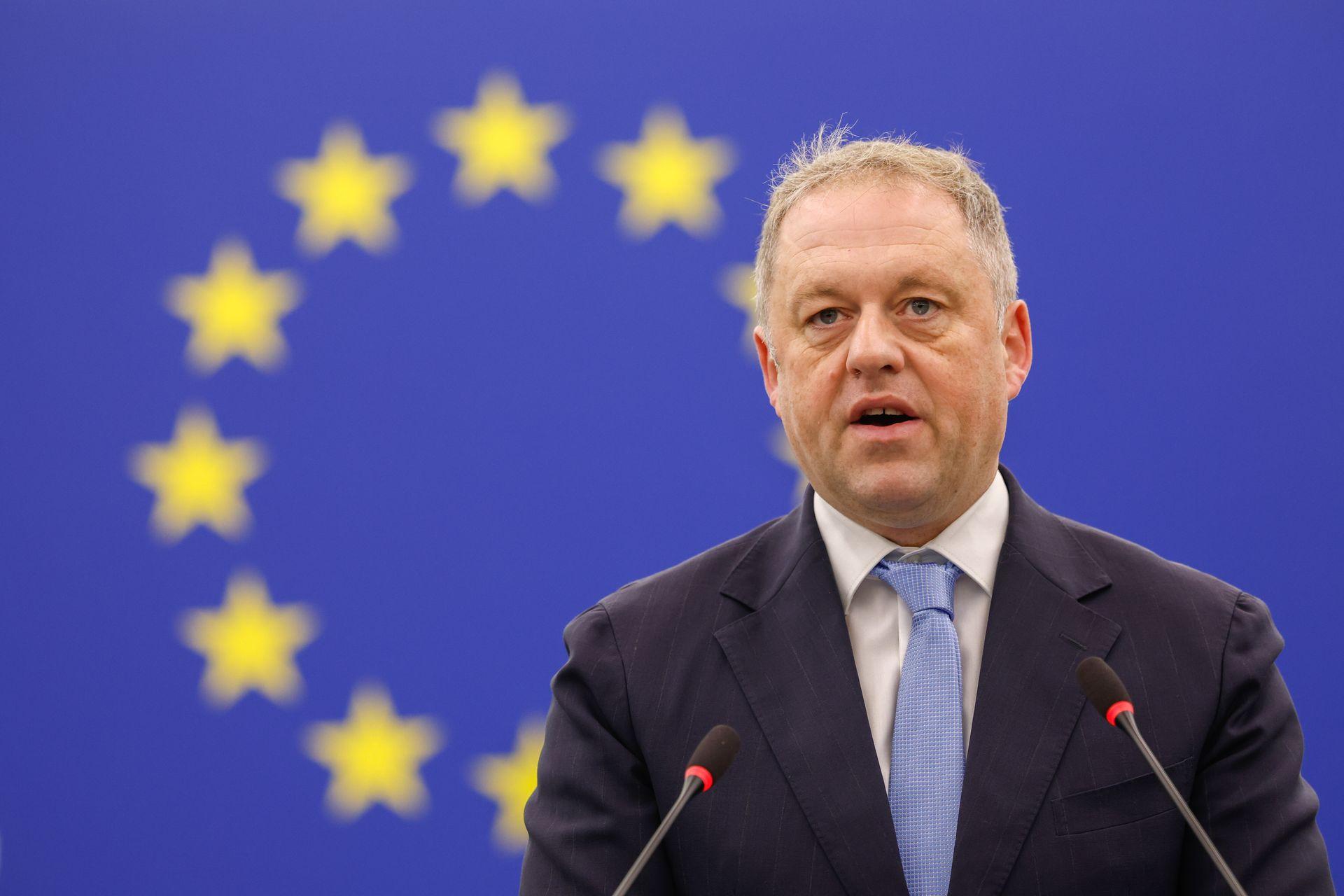
The debate also extended to Europe’s long-term budget. As the 2028–2034 Multiannual Financial Framework (MFF) was discussed in plenary, Billy Kelleher MEP (Fianna Fáil, IE) called for a more modern EU budget that can deliver tangible results for citizens:
“We must ensure that there is a budget that delivers for citizens. We simply cannot have a situation where we are trying to citizens that Europe simply has not got the capacity to deliver in real tangible terms. Member State governments must bring forward a realistic budget or we risk undermining social cohesion and support for the European project.”
2. Securing our borders
Parliament also approved a new €115 million defence programme designed to move at the speed of today’s security threats. The Agile and Rapid Defence Innovation (AGILE) plan will cut red tape for tech startups and leverage public-private innovation to strengthen Europe’s security.
The programme comes as Russia’s war on Ukraine continues to reshape Europe’s security environment, making fast, low-cost defence innovation and reducing strategic dependencies increasingly critical.
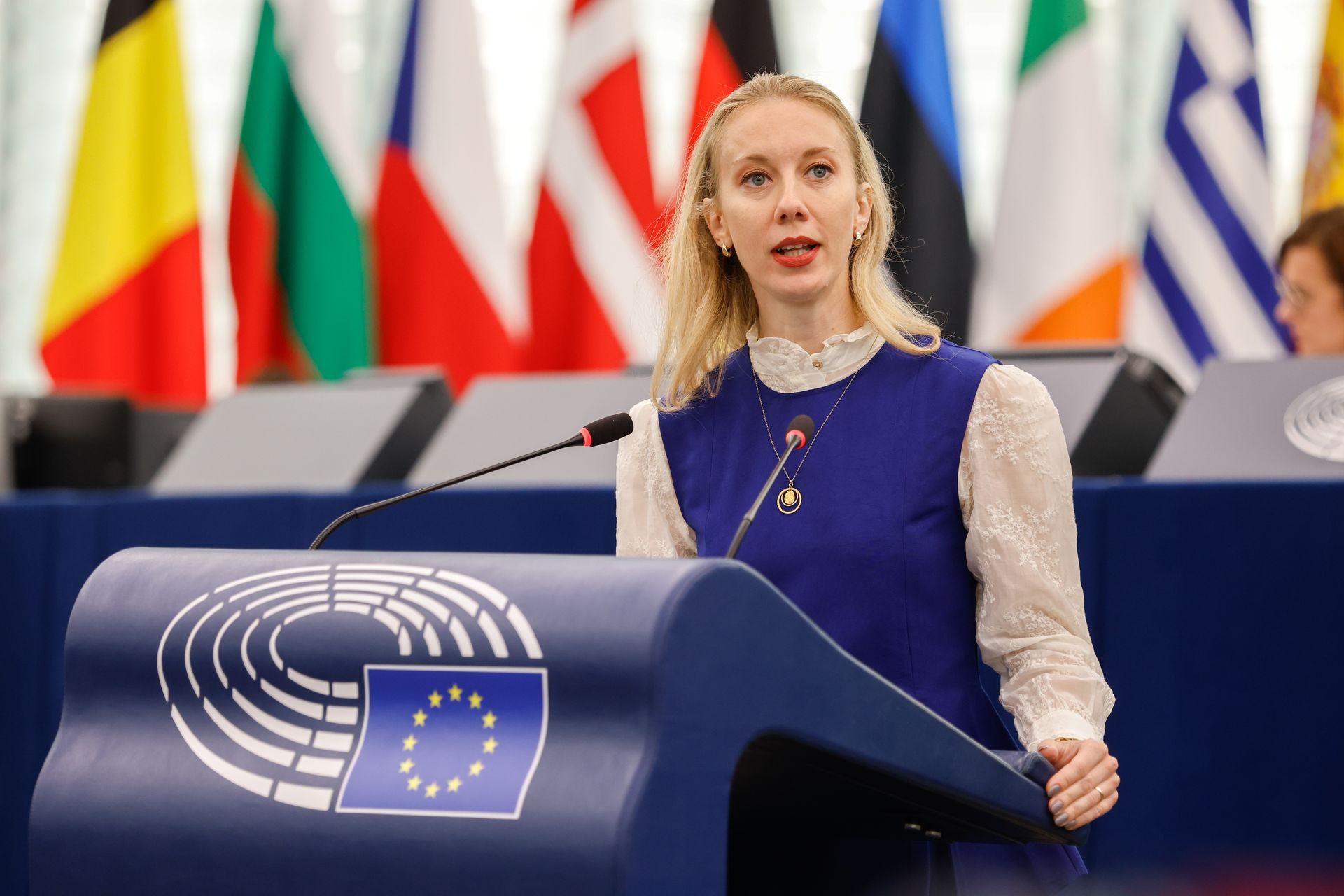
Ivars Ijabs MEP (Latvijas Attistibai, LV), co-Rapporteur for the Industry, Research and Energy Committee, put the challenge bluntly:
“Europe cannot afford to be slow when the threat is fast. AGILE is our answer: getting funding out quickly, bureaucracy stripped away, and the door firmly shut to those who do not share our values. Innovation is Europe's strength. Let us finally use it.”
3. Standing up to Beijing
The European Parliament backed the EU-China Political Relations report, steered by Hilde Vautmans MEP (Anders, BE), in a debate that laid bare the growing challenges posed by Beijing. The report describes China as a ‘systemic rival’ while making the case for a more confident European approach.
It calls for mutually beneficial cooperation where possible, but argues that Europe must also be ready to compete. With the EU recording a €360 billion trade deficit with China in 2025, Europe needs a tougher economic doctrine and greater resilience.
The report also condemns China’s material support for Russia’s war in Ukraine and calls for stronger resilience against Chinese spying and hybrid threats. It stresses the importance of standing with like-minded partners such as Japan, South Korea and Taiwan as Chinese pressure continues to escalate.
Vautmans summed up the message:
“With 450 million consumers, we are not small players. Time to act like it and give our companies and citizens the assurance that Europe will stand up for them.”
Across housing, defence and Europe’s relationship with China, the message from Strasbourg this week was the same; Europe cannot afford to stand still. The threats are real, the competition is fierce and there is little room left for Europe to sit on its hands.