Yet another liberal party has proven that populist and illiberal forces can be defeated at the ballot box.
ALDE Party member Gibanje Svoboda came out on top in Slovenia’s parliamentary elections last weekend with 28.62% of the votes, beating the populist opposition, SDS.
Slovenia has witnessed a political first with this result. After almost three decades, Gibanje Svoboda is the first party to consecutively receive the most votes in an election.
Party leader Robert Golob proclaimed: “Svoboda entered the campaign as the leading party, and we remained the leading party after the elections. This is an exceptional, even historic achievement for Slovenia, and I am immensely proud of this result.”
A liberal victory over the pro-Trump and Orbán ally Janez Janša is highly significant. After the recent Dutch elections saw liberals convincingly defeat the populist far-right, a hopeful pattern now seems to be building across Europe.
A growing political divide is also emerging between pro-European and nationalist governments, with ongoing tensions between liberal parties and Eurosceptic leaders present in countries such as Hungary and Slovakia.
At the centre of this political shift is Prime Minister Golob.
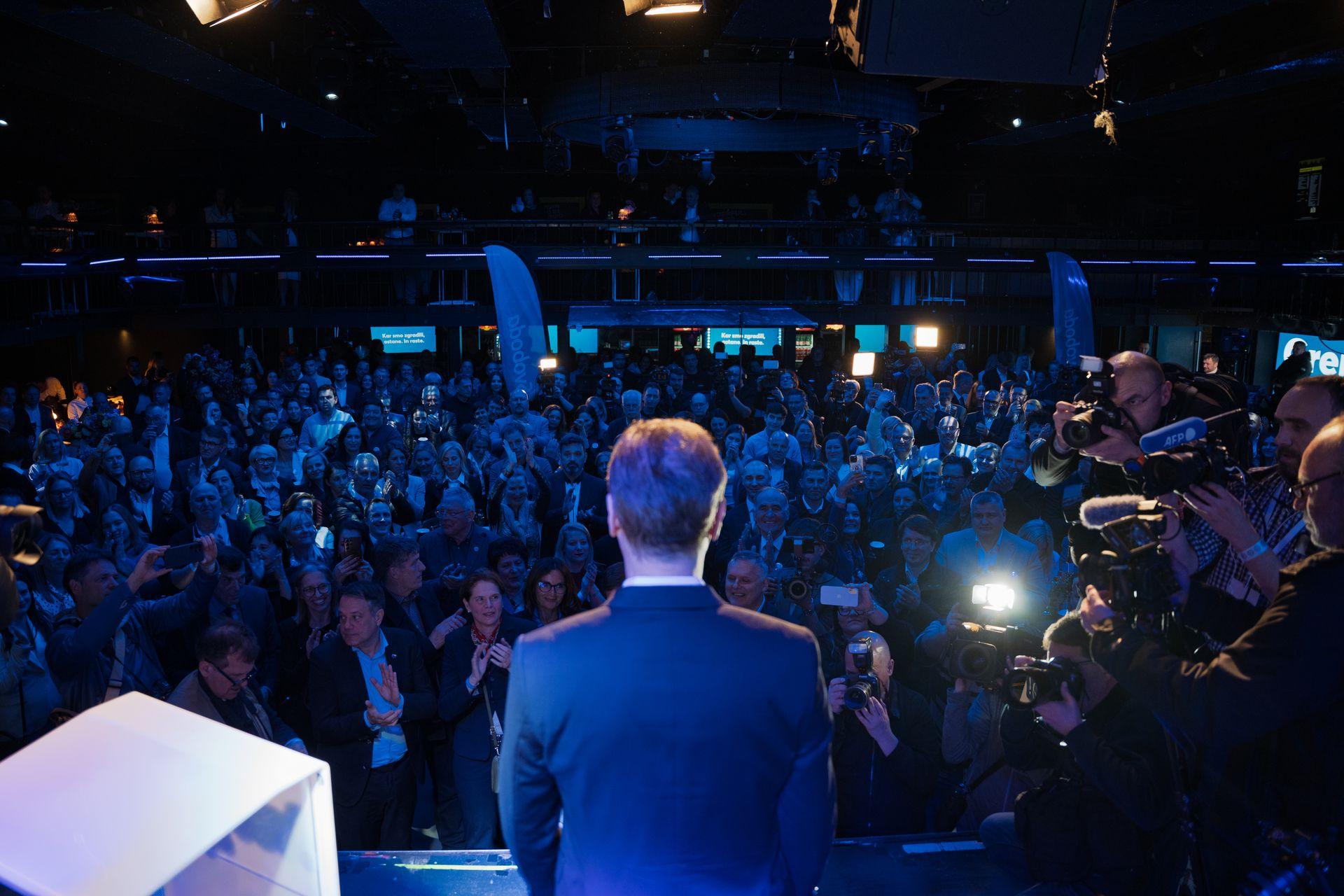
Since taking office in 2022, Golob has shifted Slovenia in a more progressive direction, including legalising same-sex marriage. He thus framed this election as a choice between continuing along a liberal democratic path or retreating into illiberalism. For many voters, the election became a referendum on Slovenia’s future direction.
While the populist reaction to votes focused on fear and division, Golob’s message centred on the future: "We all deserve a future, and I am here right now to say that with this mandate we will do everything to make that future better for all our citizens."
However, the election was not without controversy, as the Gibanje Svoboda leader warned that foreign interference and espionage were used during the elections by foreign actors. He urged European Commission President Ursula von der Leyen to investigate such a threat.
In what Golob called “the biggest scandal in Slovenia’s history,” Slovenian authorities are now investigating an Israeli private intelligence firm for carrying out illegal surveillance and wiretapping to assist Janša back into power.
As the political situation develops, Slovenia’s pro-European future now depends on coalition negotiations, as liberals and their partners seek to block a fourth term for Janša and keep the country firmly on a pro-European path.
The result makes it clear, as Golob put it on election night: “you voted for democracy, not just for freedom.”