Every summer, Sweden's political leaders descend on the island of Gotland for Almedalen Week, the country's biggest political gathering. This year's event saw both of ALDE Party's Swedish member parties take to the stage, each presenting their visions ahead of September's general election.
Although approaching the campaign from different angles, both Centerpartiet leader Elisabeth Thand Ringqvist and Liberalerna leader Simona Mohamsson built their speeches around a similar idea: Sweden should aim higher.
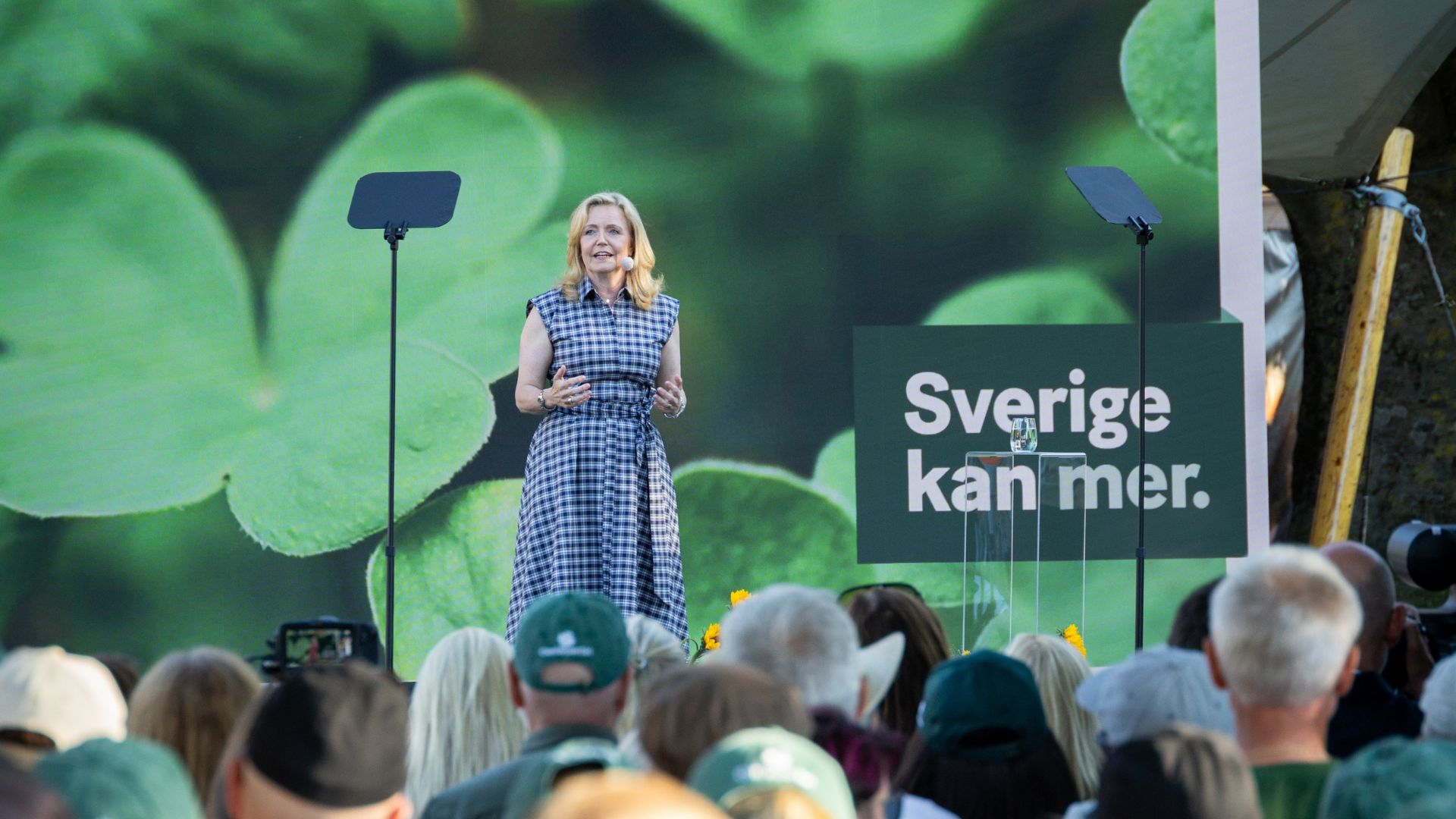
For Thand Ringqvist, making Sweden stronger begins with jobs, economic growth and confidence in the future. She argued that Sweden can do more by lowering unemployment, investing in innovation and ensuring that the benefits of growth reach communities across the country.
She also emphasised the green transition as critical, arguing that climate policy and competitiveness should go hand in hand. She presented technological innovation as key to creating new jobs while accelerating the transition to a low-carbon economy.
"Let's build a Sweden that is once again full of opportunities, faith in the future and a pioneering spirit. Because Sweden can do more," Thand Ringqvist said.
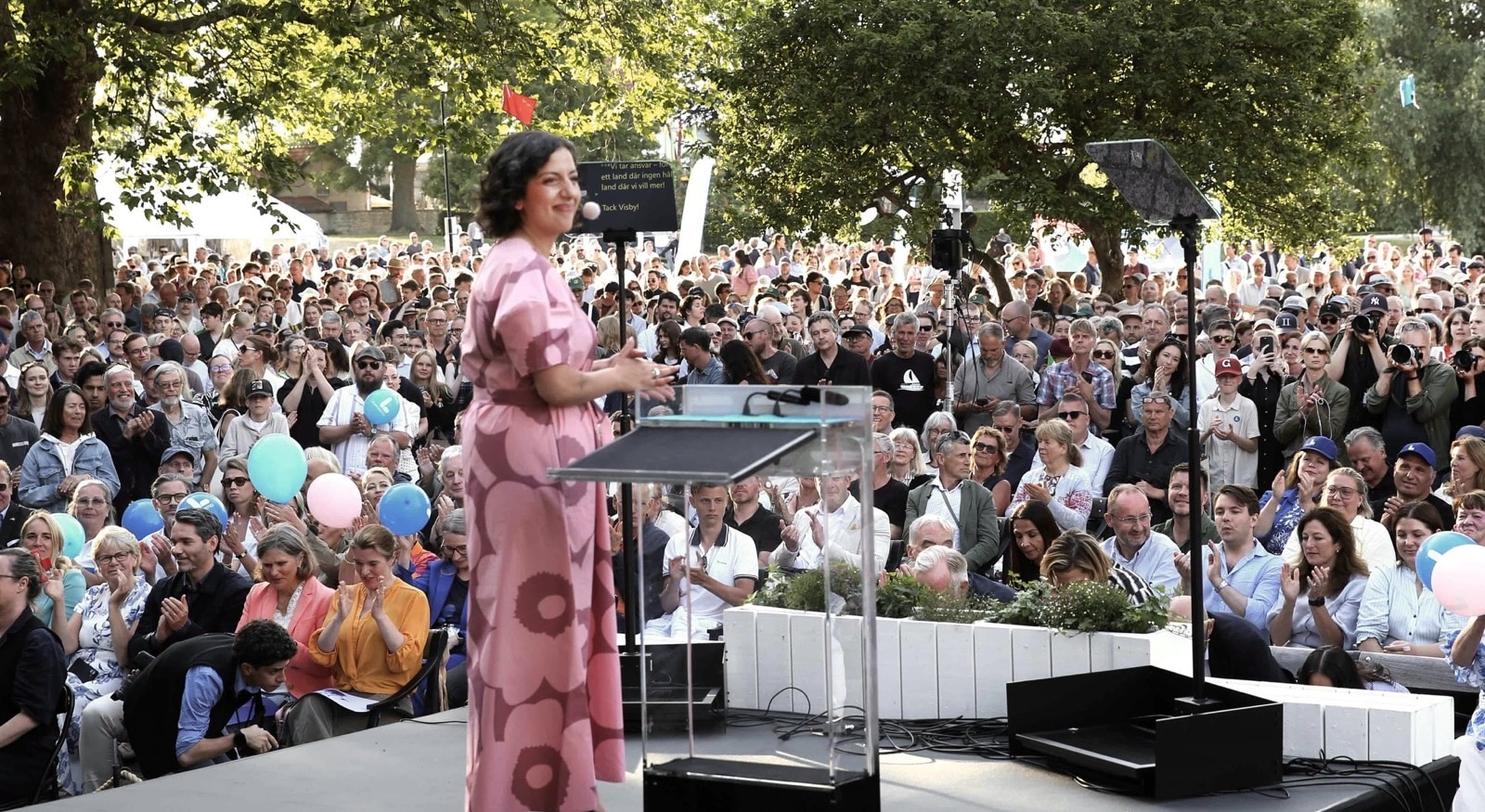
Mohamsson's message focused instead on creating a Sweden "where no one is held back". She argued that politics should remove barriers that prevent people from reaching their potential while stepping in when people genuinely need support.
Education was the defining theme of her address. She said that schools should challenge every child rather than forcing everyone into the same model. Mohamsson also highlighted lower taxes, entrepreneurship, integration and welfare, presenting liberalism as a balance between individual freedom and public investment.
“Today, I present a new promise: I want Sweden to be the smartest in Europe. We are a knowledge economy and it must be noticed," Mohamsson said.
While their priorities differed, both speeches reflected a broader liberal optimism at a time when much of European politics is dominated by pessimism and crisis. Together, they set out a message that Sweden should not just manage change, but lead it.